
Intro
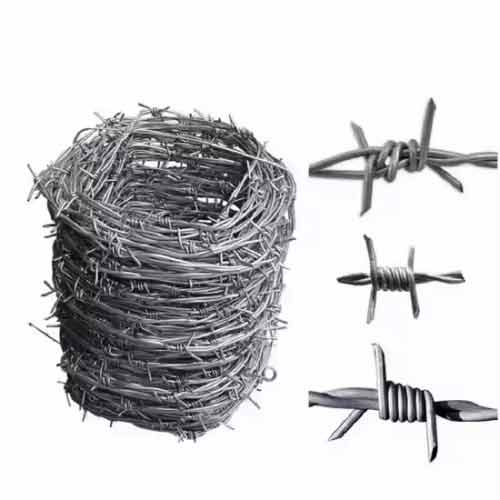
Barbed wire fences are an effective and cost-efficient solution for separating different sections of a farm, as they provide a durable, deterrent barrier that can partition pastures, livestock groups, crop fields, and equipment areas while withstanding harsh agricultural conditions.
Advantages of Barbed Wire Fences for Farm Partitioning
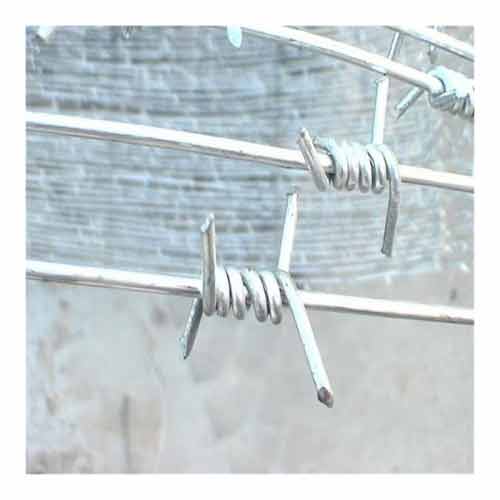
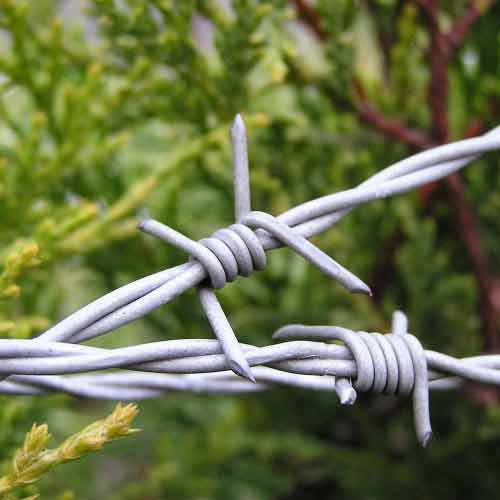
Barbed wire fences offer several benefits for farm section separation: They are affordable and easy to install, requiring minimal materials (fence posts, barbed wire, and fasteners) and labor compared to other fence types. Their sharp, spaced barbs act as a deterrent, preventing livestock from crossing between sections while allowing farmers to monitor animals and crops through the open design. Barbed wire is also durable, with galvanized or zinc-aluminum coated steel options resisting rust, rot, and damage from weather and livestock pressure. Additionally, they are lightweight and flexible, adapting to uneven farm terrain.
Suitable Farm Sections for Barbed Wire Partitioning
Barbed wire fences effectively separate various farm sections: Pastures for different livestock groups (e.g., calves vs. adult cattle, sheep vs. goats) to prevent mixing and manage grazing patterns; crop fields to protect crops from livestock damage; equipment storage areas to secure tools and machinery; and property lines to mark boundaries between farm sections or neighboring properties. They are also useful for creating temporary grazing areas or rotational grazing zones, as they can be quickly installed and adjusted.
Installation Considerations for Farm Use
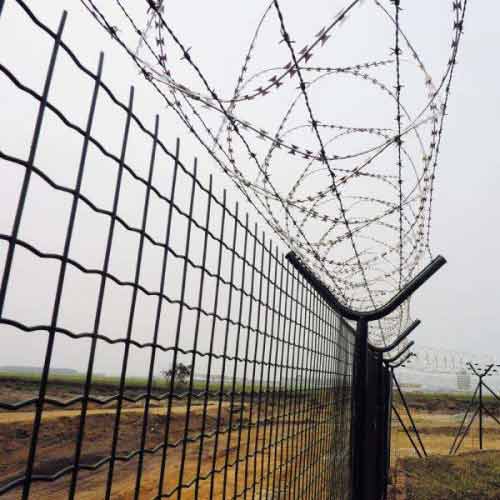
Proper installation is key to ensuring barbed wire fences effectively separate farm sections. Use sturdy fence posts (pressure-treated wood or galvanized steel) spaced 8-12 feet apart, with corner posts and line braces reinforced to handle wire tension. Install 3-5 strands of barbed wire, with the bottom strand 12-18 inches above the ground and subsequent strands spaced 6-8 inches apart—this height and spacing effectively contain most livestock. For smaller animals (e.g., sheep, goats), add more strands or use smaller barb spacing to prevent escape. Ensure the wire is stretched tightly to avoid sagging, which can allow animals to push through or cross the fence.
Safety & Maintenance for Farm Environments
Safety is a critical consideration when using barbed wire on farms—place warning signs near public access points to alert people to the hazard. Keep barbed wire away from areas where children or non-livestock animals (e.g., pets) may come into contact. Regular maintenance includes inspecting for loose or broken wires, rusted posts, and sagging strands, and repairing or replacing damaged components promptly. Re-tension the wire periodically to maintain stability, and apply rust-resistant coatings to extend the fence’s lifespan.
Conclusion &
Barbed wire fences are a practical, durable, and cost-effective solution for separating different sections of a farm, offering versatility and functionality for agricultural operations. If you need guidance on designing or installing a barbed wire fence for your farm’s partitioning needs, contact our team for professional advice and customized solutions.
FAQ
Q: Can barbed wire fences contain large livestock like cattle? A: Yes, 3-5 strands of barbed wire, properly installed and tensioned, effectively contain cattle by deterring them from leaning or pushing against the fence.
Q: Is barbed wire suitable for separating crop fields from pastures? A: Yes, barbed wire creates a clear barrier that prevents livestock from accessing and damaging crops, while allowing farmers to monitor both areas.
Q: How long does a barbed wire fence last on a farm? A: Galvanized barbed wire fences last 15-20 years with regular maintenance, making them a long-term solution for farm partitioning.
Q: Can barbed wire fences be installed on sloped farmland? A: Yes, barbed wire is flexible and can be installed on slopes by adjusting post height and wire tension to maintain a consistent barrier.
Q: Are there safety concerns with using barbed wire on farms? A: Yes, barbed wire can injure livestock and humans, so warning signs should be posted, and the fence should be placed away from high-traffic or public areas.
-
2026-05-03For enclosing large areas quickly or establishing temporary perimeters, the Fence Roll offers a convenient alternative to panel-by-panel fencing. Made from interwoven wire or mesh mounted on a flexible backing, it can be unrolled along the ground and affixed to posts or stakes to form a co
-
2026-05-02A long barbed wire fence should be tensioned to a "firm" state, often described as having the tension of a bass guitar string, rather than being pulled "guitar-tight." Over-tightening is a common error that can lead to wire breakage, especially during temperature drops
-
2026-04-30Wire fence serves as a broad category of affordable, practical barriers used to define space, provide security, and contain animals. Its fundamental principle involves using strands or grids of metal wire, typically steel, to create a physical limit. This category includes everything from