
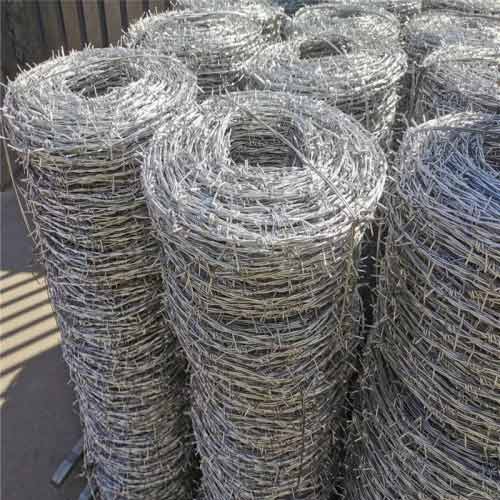
Barbed wire fence breakage results from installation errors, material stress, environmental factors, and maintenance deficiencies that can be addressed through proper techniques, quality materials, and regular inspection practices.
Common Causes of Barbed Wire Breakage
Understanding root causes helps address barbed wire fence failure problems effectively. Improper tension creates stress concentrations that lead to wire fatigue and failure over time. Using low-quality wire lacks the durability needed for long-term service in harsh conditions. Sharp bends during installation create weak points vulnerable to breakage. Line post spacing that exceeds recommendations creates excessive loads between supports. Environmental factors including temperature extremes and moisture accelerate degradation in susceptible materials.
Tension Adjustment and Management
Proper tension distribution prevents stress points that cause wire breakage during service. Using consistent tension throughout installation prevents localized over-stressing. Allowing for thermal expansion prevents tension changes that damage wire when temperatures shift. Installing adequate line posts maintains appropriate spacing that distributes loads effectively. Checking tension periodically identifies problems before they cause complete failures. Professional tensioning tools ensure consistent results compared to guesswork approaches.
Wire Quality and Material Selection
Wire material properties directly affect durability and breakage resistance in barbed wire applications. Galvanized coating thickness determines corrosion resistance and service lifespan in various environments. Wire gauge affects strength and durability for specific application requirements. High-tensile wire offers strength advantages but requires careful handling to avoid breakage. Soft-annealed wire provides flexibility but lacks the strength of high-tensile alternatives. Understanding material differences helps select appropriate wire for specific applications and budgets.
Post Spacing and Support Configuration
Proper post spacing prevents excessive spans that stress wire beyond designed capacity. Standard spacing recommendations vary based on terrain and expected loads. Installing brace assemblies at corners and ends provides proper anchoring for tension loads. Adding intermediate support posts addresses low areas and changes in elevation. Using stays between posts maintains wire spacing and alignment under load. Following established spacing guidelines ensures wire performs as designed.
Environmental and Stress Factors
Environmental conditions create stresses that contribute to wire breakage over time. Freeze-thaw cycles in soil shift posts and alter tension distribution throughout fence lines. Wind loading creates dynamic stresses that fatigue wire at connection points. Vegetation growth adds weight and interference that stresses wire sections. Animal pressure from rubbing or contact creates localized stress concentrations. Understanding environmental factors guides maintenance practices that address these concerns.
Maintenance and Inspection Procedures
Regular maintenance identifies problems before they cause complete fence failures. Inspecting wire for corrosion, nicks, and wear reveals areas requiring attention. Checking tension and adjusting as needed maintains proper load distribution. Replacing damaged sections promptly prevents stress on remaining wire. Clearing vegetation from fence lines reduces interference and moisture retention. Documenting fence conditions creates records that identify developing problem areas.
Frequently Asked Questions
Q: How often should barbed wire fence tension be checked?
A: Inspecting tension annually and after severe weather events identifies problems requiring adjustment before failures occur.
Q: What causes barbed wire to break at connection points?
A: Fatigue from repeated stress and corrosion at attachment points causes many connection failures in barbed wire fences.
Q: Can I repair broken barbed wire without replacing the entire section?
A: Splicing broken wire with approved repair sleeves restores functionality when done properly before extensive damage occurs.
Q: How do I prevent livestock from damaging barbed wire fences?
A: Regular inspection, proper tension, and controlling animal access patterns reduces damage from livestock contact.
Q: Does barbed wire type affect breakage frequency?
A: Higher quality wire with thicker galvanizing provides better durability and reduced breakage rates in demanding applications.
-
2026-05-03For enclosing large areas quickly or establishing temporary perimeters, the Fence Roll offers a convenient alternative to panel-by-panel fencing. Made from interwoven wire or mesh mounted on a flexible backing, it can be unrolled along the ground and affixed to posts or stakes to form a co
-
2026-05-02A long barbed wire fence should be tensioned to a "firm" state, often described as having the tension of a bass guitar string, rather than being pulled "guitar-tight." Over-tightening is a common error that can lead to wire breakage, especially during temperature drops
-
2026-04-30Wire fence serves as a broad category of affordable, practical barriers used to define space, provide security, and contain animals. Its fundamental principle involves using strands or grids of metal wire, typically steel, to create a physical limit. This category includes everything from